
Early Signs of Cavities
May 20, 2026 9:00 amA cavity often starts with something small enough to second-guess. Maybe cold water hits one tooth differently than it used to. Maybe floss catches between the same two teeth every night. Maybe food keeps packing into one spot, or you notice a tiny dark mark and wonder if it is stain, shadow, or decay.
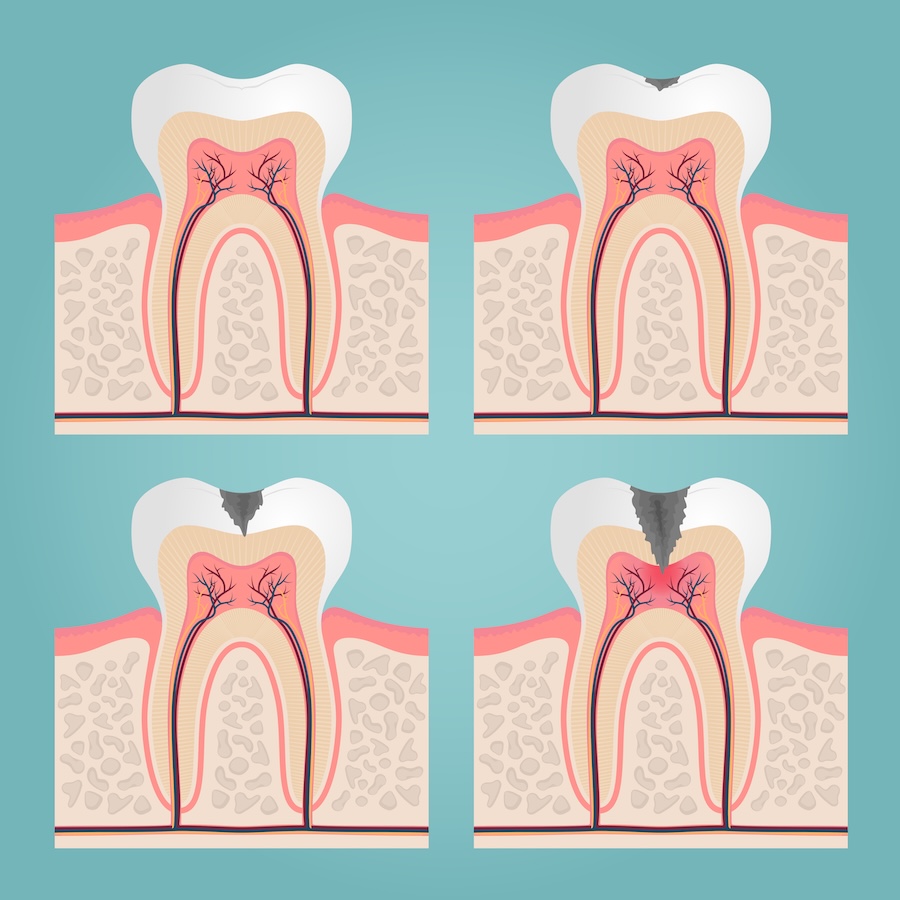
Those little changes are easy to put off because they may not feel urgent. The problem is that tooth decay tends to keep moving once it has a place to settle in. What begins as a small weak spot in the enamel can eventually move deeper into the tooth, which can turn a simple filling into a larger repair.
At Kapolei Smiles Dental in Kapolei, HI, Dr. Ji Kim helps patients catch cavities early, before they become painful or harder to treat. If something feels different, even if it seems minor, a dental exam can help you find out whether it is early decay, simple sensitivity, or another issue that needs attention.
Tooth Sensitivity to Cold
Sensitivity to cold is one of the first changes many people notice. You may feel a quick zing when drinking ice water, eating shave ice, having a smoothie, or breathing in cool air. The feeling may disappear quickly, or it may linger for a few seconds.
Cold sensitivity does not always mean you have a cavity. It can also happen from gum recession, enamel wear, teeth grinding, whitening products, or brushing too hard. However, if the sensitivity keeps happening in the same tooth, it is worth checking.
A cavity can create sensitivity because decay weakens the enamel and allows temperature changes to reach deeper layers of the tooth. As the cavity grows, the reaction may become stronger or last longer.
If cold sensitivity is new, persistent, or limited to one area, schedule a visit. Dr. Ji Kim can evaluate the tooth and determine whether decay is starting or whether another cause is behind the discomfort.
Sensitivity to Sweets
A tooth that reacts to sweet foods or drinks may be giving you an early warning sign. Candy, soda, sweet coffee, juice, desserts, or even certain fruits can trigger discomfort when decay is present.
This happens because sugar can irritate areas where enamel has weakened. If a cavity has started, the tooth may react when sweetness reaches the damaged spot. The discomfort may feel sharp, quick, or slightly achy.
Sensitivity to sweets is especially worth noting when it happens in one specific tooth or one specific area. General sensitivity across several teeth may have another cause, but a repeated reaction in one spot can point to decay.
If sweets keep bothering the same tooth, do not rely on avoiding sugar as the solution. The tooth should be checked so the decay can be treated before it spreads deeper.
A Toothache That Comes and Goes
Cavity pain is not always constant. Early on, a tooth may ache for a while and then calm down. You may notice it after eating, chewing, drinking something cold, or at random times during the day.
This on-and-off pattern can make people wait. If the pain fades, it is easy to assume the tooth is fine. However, cavities can become irritated and then settle temporarily, especially in the earlier stages.
As decay moves deeper, the ache may show up more often or become harder to ignore. Pain that wakes you up, throbs, or lingers after hot or cold foods may suggest the nerve is becoming involved.
A toothache that keeps returning deserves attention, even if it is mild. Catching the cause early can help preserve more natural tooth structure and keep treatment simpler.
Food Getting Stuck in the Same Spot
Food getting stuck between teeth can happen for several reasons, but when it keeps happening in the same area, it may be a sign of a cavity or a change in the tooth surface. You may notice meat fibers, popcorn, fruit skins, or other foods catching after meals.
A cavity between teeth can create a small rough area or opening where food collects. An old filling that is breaking down can do something similar. Over time, trapped food can feed bacteria and make decay worse.
This is especially common with cavities between teeth because they are hard to see in the mirror. You may not notice discoloration or a visible hole, but you may notice that floss catches, shreds, or smells unpleasant after cleaning the area.
If one spot keeps trapping food, have it checked. It may be something simple, but it is better to know before the area becomes painful.
Floss That Catches, Shreds, or Feels Different
Floss should slide between teeth and come out mostly intact. If it suddenly starts catching, tearing, shredding, or snapping in one area, the tooth surface may have changed.
A cavity between teeth can create a rough edge that catches floss. A cracked filling, chipped tooth, or tartar buildup can also cause the same problem. Because several issues can feel similar, a dental exam is the easiest way to sort it out.
This is one of those small signs many people ignore because it does not hurt. Still, floss catching in the same spot again and again can be useful information. It tells your dentist where to look.
If floss is shredding near one tooth, mention it during your visit. X-rays may be needed to see whether decay is forming between the teeth.
A Rough Spot You Can Feel With Your Tongue
Your tongue is surprisingly good at noticing tiny changes. A tooth may feel rough, sharp, sticky, or uneven before you can actually see anything wrong. You may keep running your tongue over the same area because it feels different.
A rough spot can be caused by early decay, a chipped edge, worn enamel, tartar, or an old filling that has started to break down. If the roughness is from a cavity, the area may continue to soften or deepen as bacteria damage the tooth.
Try not to keep poking at the spot with your tongue or fingernail. That can irritate the area and make you more aware of it without solving anything.
A rough or sticky-feeling tooth should be evaluated, especially if it comes with sensitivity, food trapping, or a dark mark. Early treatment may prevent the tooth from needing a larger repair.
White Spots on the Teeth
A white spot can be one of the earliest visible signs of enamel weakening. It may look chalky, dull, or lighter than the rest of the tooth. These spots often appear near the gumline, around orthodontic brackets, or in areas where plaque tends to sit.
White spots can mean minerals are being pulled from the enamel. This stage is sometimes called demineralization. The tooth may not have a hole yet, which means there may still be a chance to strengthen the enamel with fluoride, better home care, and changes to snacking or drink habits.
Not every white spot is an active cavity. Some are related to enamel development, past orthodontic treatment, or other causes. Still, new or changing white spots should be checked.
If decay is caught at this stage, treatment may be more preventive than restorative. That is one reason regular dental visits are so helpful.
Brown, Black, or Gray Spots
Dark spots on teeth can be confusing because not every mark is decay. Some stains come from coffee, tea, tobacco, certain foods, or deep grooves in the teeth. However, a brown, black, or gray spot can also be a sign of a cavity.
The spot deserves a closer look when it appears in a molar groove, near the gumline, between teeth, or around an old filling. If the area feels sticky, rough, or sensitive, decay becomes more likely.
It is not always possible to tell the difference between stain and decay at home. A spot may look small on the surface while the cavity underneath is larger than expected. X-rays or a dental instrument may be needed to check the tooth properly.
If you notice a dark mark that does not brush away, schedule an exam. It may be harmless staining, but it is better to confirm than wait until the tooth hurts.
Bad Breath or a Bad Taste Near One Tooth
Bad breath is not always related to cavities, but decay can contribute to odor when bacteria and food collect in a damaged area. You may notice a bad taste near one tooth or feel like an area does not stay fresh even after brushing.
This can happen with cavities between teeth, cavities around old fillings, or deep grooves that trap food. If the area is hard to clean, bacteria can stay active and create odor.
A bad taste may also come from gum disease, dry mouth, tonsil stones, sinus drainage, or other causes. However, when the taste seems tied to one spot, the tooth and gum tissue around it should be checked.
Mouthwash may cover the odor for a short time, but it will not repair decay. If a cavity is causing the problem, the tooth needs dental treatment.
Pain When Biting or Chewing
Pain when biting can be a sign that a cavity has grown enough to weaken the tooth or irritate the inner layers. You may feel it when chewing crunchy foods, biting down on one side, or releasing pressure after a bite.
This symptom can also come from a cracked tooth, a high filling, gum inflammation, or clenching. Still, cavities are one possible cause, especially if the pain comes with sensitivity, food trapping, or a visible dark spot.
Chewing pain should not be ignored because it may mean the tooth is no longer handling pressure well. If decay has made the tooth weaker, continued chewing could lead to a larger break.
If you find yourself avoiding one side of your mouth, schedule a visit. Your dentist can test the tooth, take X-rays if needed, and explain what kind of repair will protect it.
A Visible Hole or Pit in the Tooth
A visible hole is often a clearer sign that decay has progressed. You may see a small pit in the chewing surface, a notch near the gumline, or a dark opening between teeth. Sometimes you may feel it before you see it.
Once a cavity has created a hole, it will not heal on its own. The damaged tooth structure usually needs to be removed and restored with a filling or another type of treatment.
A small hole may not hurt right away. That can be misleading. Teeth can lose structure before the nerve becomes irritated, which means a painless cavity can still be active.
If you see or feel a hole in a tooth, schedule a dental appointment. Earlier treatment can help keep the repair smaller and prevent the decay from spreading.
An Old Filling That Feels Different
Cavities can form around older fillings if the edge no longer seals well. You may notice sensitivity, roughness, food trapping, floss shredding, or a dark line around the filling. Sometimes the filling may feel loose or uneven.
Fillings take a lot of daily pressure from chewing, grinding, hot drinks, cold drinks, and normal wear. Over time, the seal between the filling and the tooth can change. Once bacteria get under or around the filling, decay can start again.
This type of cavity is called recurrent decay. It can be difficult to see at home because the filling may still look mostly intact from the outside.
During an exam, Dr. Ji Kim can check existing fillings for cracks, leakage, and decay. If the filling is failing, replacing it early may help protect the tooth from a larger problem.
Why Early Cavities May Not Hurt
Many people expect cavities to hurt right away, but early decay often causes no pain at all. Enamel, the outer layer of the tooth, does not have nerves. A cavity can begin in the enamel and spread before you feel anything.
Pain usually starts when decay reaches deeper layers of the tooth or gets close to the nerve. By that point, the cavity may be larger and the treatment may be more involved.
That is why routine dental exams and X-rays matter. They can find cavities between teeth or under old dental work before symptoms appear. Waiting for pain is not the best way to decide whether a tooth needs care.
If your dentist finds an early cavity before it hurts, that can actually be a good thing. It means there may be a chance to treat it while the repair is still small.
What Happens If a Small Cavity Is Ignored
A small cavity usually grows over time if it is not treated. Decay can move from enamel into dentin, which is the softer layer underneath. From there, it can spread faster and move closer to the nerve.
As the cavity grows, symptoms may increase. Sensitivity may become stronger, food may get stuck more often, and chewing may start to hurt. Eventually, the tooth may need a larger filling, crown, root canal, or extraction if the damage becomes severe.
Ignoring a cavity can also affect nearby teeth. If decay forms between teeth, bacteria and food can collect in that contact area and increase the risk of problems on the neighboring tooth as well.
Treating cavities early is usually simpler, more predictable, and less costly. A small repair can help preserve more natural tooth structure and reduce the chance of dental emergencies later.
How Dentists Check for Cavities
A cavity exam usually includes a visual check, gentle exploration of suspicious areas, and X-rays when needed. Your dentist will look for discoloration, soft spots, rough areas, visible pits, and signs of decay around old fillings or crowns.
X-rays are especially important for cavities between teeth because those areas are hard to see. They can also show how deep a cavity is and whether it is close to the nerve.
Your dentist may also ask about symptoms, such as sensitivity, pain with sweets, food trapping, or chewing discomfort. These details help connect what you are feeling with what is visible on the exam.
At Kapolei Smiles Dental, Dr. Ji Kim can explain what is found and what treatment options make sense. If decay is very early, preventive steps may be recommended. If a cavity has formed, a filling or other restoration may be needed.
How to Lower Your Risk of Cavities
Preventing cavities starts with consistent daily care. Brush twice a day with fluoride toothpaste and clean between your teeth once a day. Floss, floss picks, interdental brushes, or a water flosser can all help, depending on what works best for your mouth.
What you sip and snack on also plays a big role. Sugary drinks, sweet snacks, sticky foods, and frequent grazing can keep teeth exposed to acid throughout the day. It is not only how much sugar you have, but how often your teeth are exposed to it.
Water can help rinse away food particles and support saliva, which naturally helps protect your teeth. If you have dry mouth, let your dentist know, since lower saliva flow can increase cavity risk.
Regular dental visits help catch early signs of cavities and remove buildup that brushing cannot. Depending on your risk, Dr. Ji Kim may recommend fluoride treatments, sealants, or changes to your home routine.
Cavity Care in Kapolei, HI at Kapolei Smiles Dental
The first hints of a cavity are not always dramatic. Sensitivity, food trapping, floss that catches, dark spots, rough areas, bad taste, or mild chewing discomfort may all point to decay that needs attention. Even if the tooth does not hurt, it is worth checking when something feels different.
At Kapolei Smiles Dental in Kapolei, HI, Dr. Ji Kim helps patients identify cavities early and choose the right treatment before the problem becomes more involved. Whether you need preventive care, a small filling, or an evaluation of an older restoration, the first step is a clear exam.
If you have noticed a change in one tooth or it has been a while since your last checkupf, schedule a visit with Kapolei Smiles Dental. Catching decay early can help protect your teeth and keep treatment as simple as possible.
FAQs
What are the earliest signs of a cavity? Early signs can include sensitivity to cold or sweets, food getting stuck in one spot, floss that catches or shreds, white spots, dark spots, rough areas, or a mild ache that comes and goes.
Can you have a cavity without pain? Yes, many cavities do not hurt at first. Enamel has no nerves, so decay can begin before you feel discomfort. Pain often appears once the cavity reaches deeper layers of the tooth.
Does tooth sensitivity always mean a cavity? No, sensitivity can also come from gum recession, enamel wear, grinding, whitening products, or brushing too hard. However, sensitivity in one specific tooth should be checked.
What does an early cavity look like? An early cavity may look like a chalky white spot, a brown or dark mark, a rough area, or a small pit. Some early cavities, especially between teeth, cannot be seen without X-rays.
Can an early cavity heal on its own? Very early enamel weakening may improve with fluoride, better home care, and changes to diet if the surface has not broken down. Once a true hole forms, the tooth usually needs a filling or another restoration.
When should I see a dentist for possible cavity symptoms? Schedule a visit if sensitivity keeps returning, food gets stuck in the same spot, floss catches, you notice a dark spot, or a tooth hurts when chewing. Early evaluation can help keep treatment smaller.
Categorised in: Dental Tips, Restorative Dentistry