
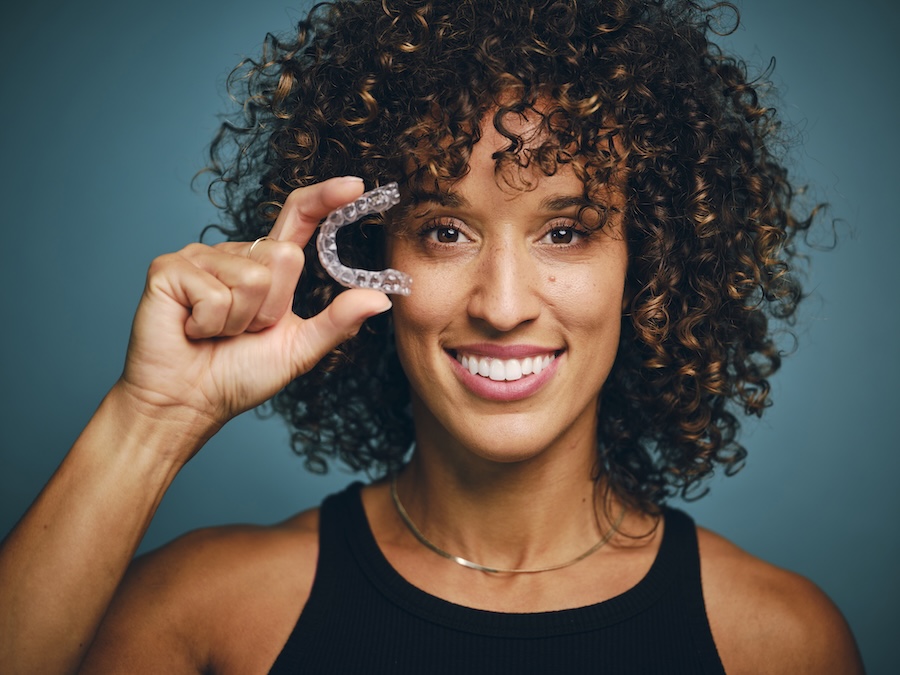
Get a Personalized Treatment Plan for Invisalign Clear Aligners With Dr. Kim
September 28, 2026 9:00 amYou probably already know which tooth you want straighter. One front tooth might be leaning into the next, a small gap may show up in every photo, or floss has gotten harder to work through the same crowded spot. Invisalign can address a lot of those concerns, and the treatment plan also has to account for how the rest of your teeth fit together.
At Kapolei Smiles Dental in Kapolei, Hawaii, Dr. Ji Kim plans Invisalign treatment around your teeth, bite, and the changes you want to make. We use digital scans and imaging to see how much movement is needed and where the teeth have room to go. From there, we can give you a clearer picture of what treatment would involve from the first tray through the final retainer.
Start With What You Want to Change
At your consultation, Dr. Kim will ask what brought you in. Your lower front teeth might be crowding again after braces, one tooth could look more twisted than it used to, or a gap may have bothered you for years. Starting with the thing you keep noticing helps us understand what you want to change.
From there, we look at the rest of the bite. Moving one tooth affects the teeth beside it and the way the upper and lower teeth meet. In some cases, the tooth you notice most needs room created around it before it can move into a better position.
For patients who have had braces before, we also look at how much the teeth have shifted since treatment ended. Orthodontic relapse is especially common in the lower front teeth, and Invisalign can often address that crowding. An old retainer can also be helpful to bring along because it gives us another point of comparison.
We Check Your Teeth and Gums First
Before the first set of aligners starts moving your teeth, we check for cavities, gum inflammation, and dental work that needs attention. Invisalign trays sit closely over the teeth for most of the day, so we want the teeth and gums in good shape before treatment begins. We also look at crowns, fillings, implants, and other restorations that could affect movement.
A crowned tooth can usually move with the natural tooth underneath it. An implant stays fixed in the bone, so Dr. Kim has to plan the surrounding tooth movement around that position. Crowded areas also tend to hold onto plaque, which gives us another reason to check the gums carefully before aligners go on.
Sensitivity and bleeding gums are worth checking before treatment starts. If the same crowded spot bleeds every time you floss or one tooth has started reacting to cold, we can check it during the consultation. Taking care of those problems first gives you a healthier starting point for Invisalign.
We Map Out How the Teeth Need to Move
Next, we use digital technology to plan how the teeth will move from one position to the next. Each set of aligners nudges them a little farther along, and most patients wear each set for about one to two weeks before changing to the next one. The number of trays depends on how much movement is needed.
Some teeth need to rotate, while others need to move forward, backward, or slightly sideways. Crowding can also mean creating room before a tooth has anywhere to go. Dr. Kim plans those movements in sequence so each stage sets up the next one.
Once the scans and treatment plan are put together, we can estimate how long treatment is likely to take. Many Invisalign cases take around 12 to 18 months, although the timeline varies depending on the amount and type of movement involved. More straightforward crowding or relapse can sometimes take less time, while bite correction or several difficult tooth movements can take longer.
Attachments Can Help Certain Teeth Move
Some teeth need more grip than the smooth aligner can provide by itself. In those cases, Dr. Kim can place small tooth-colored attachments on certain teeth to help the tray rotate, tip, or shift them more effectively. The aligners fit over the attachments, so those areas usually feel a little snugger when you put a new tray in.
The number and placement of attachments depend on the tooth movements in your plan. One person may have only a few, while another has several spread across the smile. Before treatment begins, Dr. Kim can show you where they are planned and what they will look like.
If you have a wedding, graduation, family photos, or a long trip on the calendar, we can talk about where you are likely to be in treatment at that point. You may want to know whether attachments will still be on your front teeth or whether you will be changing trays while you are traveling. Those are easy things to plan around when we know about them ahead of time.
Daily Life With Invisalign Takes Some Adjustment
Invisalign aligners generally need to stay in for about 20 to 22 hours a day. You take them out to eat and for drinks other than water, then clean your teeth and put them back in. A tray sitting on your desk for half the afternoon is losing several hours it was supposed to be moving your teeth.
Coffee and snacking usually require the biggest routine changes. If you sip coffee through the morning or graze through the afternoon, you will be taking the trays in and out more often and losing wear time along the way. After the first few weeks, most patients have a better sense of when they want to eat, drink, brush, and get the trays back in.
A case becomes pretty important too. Clear aligners wrapped in a napkin at lunch disappear into the trash all the time, especially at restaurants or work lunches. Keeping a case in your purse, backpack, car, or desk drawer makes it much easier to keep track of them.
Follow-Up Visits Show Us How the Teeth Are Responding
As you move through the trays, you will come back periodically so Dr. Kim can check the fit and see how the teeth are responding. The aligners should stay snug against the teeth as they move, and each new set should pick up where the last one left off. If one tooth starts lagging behind, we can catch it during those visits.
Toward the end of treatment, some patients need additional aligners to fine-tune a few areas. One tooth may need a little more rotation, or the bite may need a few more adjustments before everything sits where Dr. Kim wants it. Those extra trays help finish the details after the larger movements are done.
Consistent wear also keeps those follow-up visits moving in the right direction. Teeth respond to steady pressure, so long stretches without the aligners can slow progress and make the next tray harder to seat. Staying close to the recommended wear time gives each set enough time to do its job.
Retainers Come After the Last Tray
Once your teeth reach their new positions, retainers help keep them there. The tissues around the teeth need time to settle, and teeth can gradually drift over the years without retention. Dr. Kim will go over the type of retainer he recommends and how often you should wear it.
Patients who have had braces before often know exactly how this can happen. The retainer gets worn less often, eventually stops fitting, and a few years later the lower front teeth have started bunching together again. Invisalign can correct that relapse, and the new retainer helps keep those teeth from making the same trip twice.
We start talking about retention before the final tray so it is already part of the plan. Once active treatment ends, you move directly into protecting the result. That keeps the progress you made from slowly slipping away.
Invisalign With Dr. Kim at Kapolei Smiles Dental in Kapolei, HI
Your Invisalign plan starts with the tooth or bite concern that brought you in. Then Dr. Kim looks at the crowding or spacing around it, the way your bite comes together, your gum health, existing dental work, and how much movement each tooth needs. Digital planning ties those pieces together so you can see what the path from your current smile to the finished result would involve.
For some patients, the problem is one front tooth that has slowly twisted farther out of line. Others are dealing with lower teeth crowding again after braces or a bite that has felt off for years. Whatever keeps catching your eye, we can look at what it would take to change it and how Invisalign would fit into your everyday routine.
If you are ready to find out what your treatment plan would look like, schedule an Invisalign consultation with Dr. Ji Kim at Kapolei Smiles Dental in Kapolei. We’ll take a close look at your teeth and bite, walk through the movements Dr. Kim would plan, and show you what Invisalign treatment would look like for your smile.
Contact UsCategorised in: Invisalign